Category: IT Asset Disposal

Standard

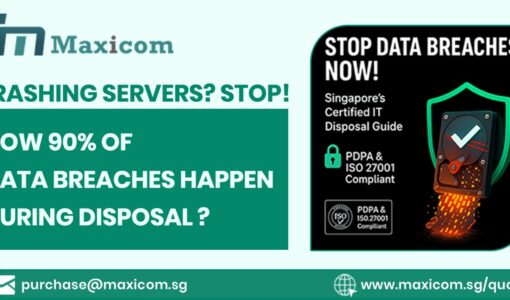
Avoid Data Breaches: The Importance of Certified IT Disposal Services

In today’s data-driven world, businesses store massive amounts of sensitive information on their IT equipment. From financial records and client databases to proprietary information, your servers, laptops, and storage devices are digital vaults. When these devices reach the end of their life, how you dispose of them matters more than ever. Improper disposal can lead to catastrophic data breaches, regulatory penalties, and irreversible damage to your brand. That’s why certified IT disposal services are not just a convenience — they are a necessity. At Maxicom.sg, we help businesses across Singapore securely decommission and dispose of their IT equipment in compliance with local and international data protection laws. What Is Certified IT Disposal? Certified IT disposal involves the secure and documented process of decommissioning, wiping, and recycling or destroying IT equipment. It ensures that all data stored on devices is irretrievably erased and that the disposal method complies with regulations like: At Maxicom.sg, every device we handle undergoes a multi-step certified disposal process, ensuring your data never falls into the wrong hands. Why Improper IT Disposal Is a Huge Risk Many businesses mistakenly believe that deleting files or reformatting a drive is enough. However, data recovery tools can easily retrieve deleted files unless they’ve been securely erased. Here’s what could happen if IT equipment is not properly disposed of: Companies in Singapore’s high-security sectors such as finance, healthcare, legal, and tech must be especially cautious. Maxicom.sg’s Certified IT Disposal Process At Maxicom.sg, our process is built around security, transparency, and compliance. Whether you’re disposing of five laptops or decommissioning an entire data center, here’s how we ensure complete data protection: Step 1: Inventory Assessment We begin with a detailed inventory of your IT assets. Our technicians identify: This step can be performed on-site across key Singapore locations including: Step 2: Certified Data Erasure We follow global erasure standards such as NIST 800-88 Rev.1 to securely erase all data from your devices. Depending on the media type and your security needs, we use: Each erasure job comes with a Certificate of Data Destruction, which includes: Step 3: Secure Logistics & Chain of Custody We arrange safe pickup and transport using: Whether you’re based in the heart of Marina Bay or in remote industrial zones like Loyang or Boon Lay, our coverage extends across Singapore. Step 4: Refurbishment or E-Waste Recycling Post-erasure, devices are either: We partner with R2/ISO 14001-certified recyclers, ensuring minimal environmental impact. This supports your company’s green IT and CSR goals. Who Should Use Certified IT Disposal Services? All businesses in Singapore that handle sensitive data or are bound by data regulations should use certified disposal services. These include: Even small and medium businesses that store customer or employee data must comply with the PDPA. Key Benefits of Choosing Maxicom.sg Start Your Secure IT Disposal Journey with Maxicom.sg If your organization is upgrading or retiring IT equipment, don’t risk your data security. Maxicom.sg ensures that your sensitive information is securely erased and that your IT assets are ethically disposed of. Contact us today for a free consultation or to schedule a certified IT disposal service in Singapore. Frequently Asked Questions (FAQs) Q1: Can I get on-site data destruction in Singapore?Yes. Maxicom.sg offers on-site data destruction services for enterprises that require strict chain-of-custody controls. Q2: What if my devices are physically damaged?We offer physical shredding for all types of storage media, including damaged drives. Q3: How long does the disposal process take?Depending on the volume, data erasure and reporting can be completed within 3-7 business days. Q4: Do you handle enterprise servers?Yes. We specialize in secure server decommissioning and storage media destruction.
Standard

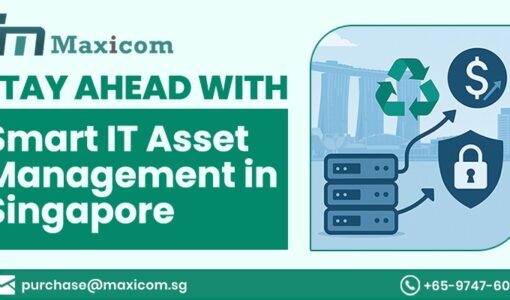
IT Asset Management Trends in Singapore: How Companies Can Stay Ahead

Singapore has rapidly emerged as a leading technology hub in Southeast Asia, hosting some of the world’s most advanced data centers and IT infrastructure. With cities like Jurong, Woodlands, Changi, and Paya Lebar being major IT and industrial zones, businesses in Singapore must adopt effective IT asset management (ITAM) strategies to stay competitive. As digital transformation accelerates, companies face the challenge of upgrading their IT assets while minimizing financial losses and ensuring regulatory compliance. A growing trend in ITAM is IT asset buyback, which enables organizations to recover value from obsolete equipment while adhering to environmental and data security standards. This article explores the evolving IT asset management landscape in Singapore, focusing on how businesses can leverage buyback programs to optimize operations and enhance sustainability. The Growing Importance of IT Asset Buyback in Singapore 1. Maximizing ROI on IT Investments Many businesses in Jurong East, Tampines, and Paya Lebar—home to several data centers and corporate IT offices—are adopting IT asset buyback programs to offset costs from aging hardware. Instead of allowing outdated servers, networking equipment, and storage units to depreciate, companies can sell them to certified IT asset disposition (ITAD) providers. By doing so, businesses recover a significant portion of their initial investment, which can be reinvested in newer, more efficient IT infrastructure. 2. Sustainability and E-Waste Reduction Singapore is actively promoting green initiatives under its Zero Waste Masterplan, aiming to reduce electronic waste (e-waste) by 30% by 2030. IT asset buyback aligns with this vision by repurposing and reselling functional used IT equipment, including second-hand servers, surplus networking devices, and refurbished data center equipment, instead of disposing of them in landfills. Changi Business Park, Suntec City, and One-North, which house many IT firms and multinational corporations, are key locations where businesses are adopting sustainable IT disposal strategies. By engaging in IT asset buyback, companies contribute to Singapore’s circular economy while ensuring compliance with local environmental regulations. 3. Enhanced Data Security Measures With Singapore enforcing strict Personal Data Protection Act (PDPA) regulations, businesses must ensure that retired IT assets do not pose security risks. ITAD providers specializing in IT asset buyback offer certified data wiping and secure destruction services, preventing potential data breaches. Data centers in Woodlands, Jurong, and Tuas, where many companies host their IT infrastructure, must ensure complete data sanitization before selling used servers, second-hand IT hardware, and surplus networking equipment. Using advanced techniques like DoD 5220.22-M data wiping and physical drive destruction, businesses can mitigate cybersecurity threats while optimizing asset recovery. How Singaporean Companies Can Stay Ahead in IT Asset Management 1. Partnering with Certified ITAD Providers Organizations in Changi South, Bukit Timah, and Clementi should collaborate with ISO 27001, R2, and e-Stewards certified ITAD vendors to ensure their IT asset buyback process meets industry standards. Certified providers offer secure handling, proper valuation, and eco-friendly disposal, reducing liability risks while maximizing asset value. 2. Implementing IT Asset Tracking Systems Many businesses in Singapore Science Park and Marina Bay are investing in IT asset management software to track their equipment’s lifecycle. With better tracking, companies can determine the optimal time for IT asset buyback, ensuring they maximize resale value before depreciation significantly impacts ROI. 3. Leveraging IT Asset Buyback for Cost-Effective Upgrades By participating in IT asset buyback programs, businesses in Punggol Digital District and Serangoon North Industrial Estate—where major tech firms operate—can strategically reinvest proceeds from old IT equipment, used servers, and refurbished networking devices into new technologies. Instead of incurring high capital expenditures on IT upgrades, organizations can minimize financial burdens while staying technologically competitive. 4. Ensuring Compliance with Singapore’s IT Asset Disposal Regulations Businesses in Tuas Industrial Park and Alexandra Technopark must comply with Singapore’s IT asset disposal laws to avoid penalties. Partnering with government-approved ITAD firms ensures companies meet regulatory requirements while securely handling retired IT assets. Key Benefits of IT Asset Buyback for Singaporean Businesses Financial Gains and Improved Budgeting Corporate Social Responsibility (CSR) and Sustainability Enhanced IT Security and Compliance Conclusion As Singapore continues to advance in digital infrastructure, effective IT asset management and buyback programs are becoming essential for businesses looking to optimize costs, maintain compliance, and enhance sustainability. Companies operating in Jurong, Changi, Woodlands, and One-North must adopt strategic ITAM practices to maximize ROI, ensure data security, and contribute to Singapore’s growing circular economy. By partnering with reputable ITAD providers, leveraging asset tracking tools, and embracing buyback programs, Singaporean businesses can stay ahead in the evolving IT landscape, ensuring long-term growth and operational efficiency.

Standard

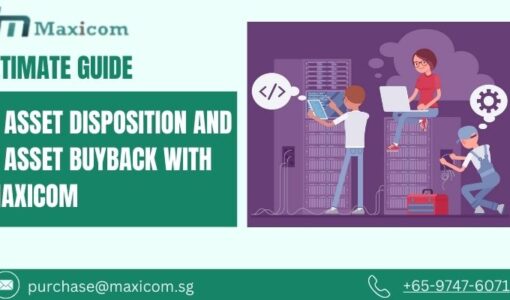
Complete ITAD & IT Asset Buyback Solutions in Singapore – Secure, Compliant, and Profitable with Maxicom

Understanding IT Asset Disposition (ITAD) IT Asset Disposition (ITAD) refers to the secure and environmentally responsible process of retiring, recycling, or repurposing outdated IT equipment. Businesses in Singapore, including key locations like Jurong, Tampines, Orchard, and Marina Bay, must ensure proper disposal of IT assets to comply with data security regulations, minimize environmental impact, and maximize value through IT asset buyback programs. Key Benefits of ITAD Services Importance of IT Asset Disposition in Singapore With strict regulations under the Personal Data Protection Act (PDPA) and e-waste management policies, IT asset disposition is crucial for businesses in Singapore. Proper ITAD services safeguard sensitive data, reduce electronic waste, and contribute to the circular economy by refurbishing and reselling IT equipment through buyback programs. Companies in major districts like Raffles Place, Changi, and Paya Lebar must adhere to stringent IT disposal guidelines to ensure security and compliance. How to Choose the Right ITAD Provider Selecting a reliable ITAD provider in Singapore is essential for secure and compliant asset disposition. Consider these factors when choosing a provider: Essential Certifications for ITAD Providers in Singapore When selecting an ITAD provider, ensure they hold the following certifications: What is Data Remanence? Data remanence refers to residual data that remains on storage devices even after deletion. Without proper data erasure or destruction, sensitive information can be recovered, posing a significant security risk. ITAD providers in Singapore use advanced data wiping, degaussing, and physical destruction methods to eliminate data remanence risks effectively. Getting Started with ITAD and IT Asset Buyback in Singapore Maxicom Singapore offers a streamlined ITAD process, including secure data destruction, certified recycling, and IT asset buyback programs in Jurong, Tampines, Marina Bay, Orchard, and across Singapore. To begin: Conclusion The ITAD process in Singapore demands expertise to ensure compliance, security, and sustainability. By partnering with a certified ITAD provider like Maxicom Singapore, businesses in Jurong, Changi, Orchard, and other key locations can securely dispose of IT assets while benefiting from IT asset buyback opportunities. Contact Maxicom Singapore today to optimize your IT asset disposition strategy and maximize returns on retired IT equipment.

Standard

Maximize Your Profit from Selling Used Servers: Expert Guide by Maxicom Global Singapore

Are you considering upgrading your IT setup or retiring your current servers? You can turn your used servers into cash and make way for new technologies. In this blog, we’ll share invaluable advice and insights on how to optimize your profit when selling used servers in Singapore. Maxicom Global Singapore, a top-tier provider of IT asset repurchase and remarketing services, is poised to assist you throughout this process and ensure you get the best value from your used servers. Evaluating the Market Worth: Before putting your used servers up for sale, evaluating their market worth is imperative. Investigate the latest market trends in Singapore, check out price tags for similar models, and contemplate factors like brand, specifications, age, and state. As an expert in the local market, Maxicom Global Singapore can provide a fair and precise appraisal of your servers’ value in Singapore. Cleaning and Preparing Your Servers: To draw in prospective buyers in Singapore and secure a higher selling price, it’s vital to clean and prepare your used servers. Wipe off any dust, peel off stickers or labels, and confirm that all parts are functioning properly. By investing the effort to showcase your servers in prime condition, you portray a professional image that could positively affect your final selling price. Compiling Detailed Information: Create a detailed listing for your used servers by compiling comprehensive information. Include specifics such as the type and speed of the processor, the capacity of memory and storage, and any other significant features. Providing potential buyers in Singapore with all the necessary details upfront will increase the chances of inquiries and bids. Underlining Unique Selling Propositions: When promoting your used servers in Singapore, it’s crucial to underline their unique selling propositions. If your servers have particular features or setups that differentiate them from others in the market, be sure to highlight these. Maxicom Global Singapore can assist you in recognizing the unique characteristics of your servers and exploiting them to attract potential buyers in Singapore. Utilizing Professional Remarketing Services: Independently selling your used servers can be a tedious and tricky task, especially when dealing with decommissioned, surplus, or end-of-life servers. Consider collaborating with a professional remarketing service provider like Maxicom Global Singapore. With their proficiency in IT asset disposition, management, and remarketing, they can assist you in dealing with the intricacies of selling outdated servers, handling e-waste recycling responsibly, and optimizing your return on investment. Considering Buyback Alternatives: Instead of selling your used servers directly in Singapore, another option is to consider a buyback program. Maxicom Global Singapore provides competitive buyback alternatives for decommissioned and surplus servers, enabling you to sell your servers swiftly and without any fuss. Opting for a buyback scheme allows you to save time and effort while still maximizing your profit from your end-of-life servers. Rely on the Specialists: Maxicom Global Singapore holds a solid reputation in Singapore for offering dependable and trustworthy IT asset buyback and remarketing services. By teaming up with them, you gain access to their expertise and experience in IT asset management and disposition, guaranteeing a smooth and successful selling experience. Conclusion: Offloading your used servers in Singapore needn’t be an overwhelming task, particularly when dealing with decommissioned, surplus, or end-of-life servers. By adhering to these tips and capitalizing on the services of Maxicom Global Singapore, you can maximize your profit from selling your used servers, all while enjoying a swift and efficient sales process. Remember, the value of your used servers is in their ability to serve others while returning a profit on your investment. Get in touch with Maxicom Global Singapore today to fully realize the value of your decommissioned, surplus, or end-of-life servers, and to responsibly manage IT asset disposal and e-waste recycling.

Standard

IT Assets Disposition

A Complete Guide to IT Asset Disposition in Singapore As businesses evolve and technology advances at an unprecedented rate, organizations often find a growing inventory of obsolete and unneeded IT assets. IT Asset Disposition (ITAD), a vital process for these forward-looking businesses, assures secure and responsible management of outdated equipment, safeguarding data security and optimizing the asset’s residual value. In the ever-expanding global IT landscape, the demand for reliable ITAD services is skyrocketing. The ITAD industry is expected to reach a whopping US$ 350 billion valuation by 2025, indicating a prosperous trajectory for ITAD providers. The Comprehensive ITAD Process: An Overview ITAD is not just about disposing of outdated equipment; it’s a strategic approach that turns potential e-waste into a rewarding opportunity. The comprehensive process involves: 1. Maximising Return on Investment (ROI) An effective ITAD strategy begins with a thorough assessment of your existing resources to maximize your ROI. 2. Inventory Management and Outmoded Equipment Elimination The process involves auditing and phasing out obsolete equipment that no longer serves your business needs. 3. Evaluating Opportunities for Reuse, Resale, or Donation A meticulous analysis of the reuse, resale, or donation prospects forms a significant part of the process. 4. Secure Data Sanitization and Destruction Ensuring secure data sanitization and destruction to protect sensitive information is paramount. 5. Compliant E-Waste Recycling The ITAD process is mindful of the environment, ensuring e-waste recycling adheres to the regulatory standards. 6. Complete Documentation Providers like Maxicom Singapore offer a certificate of destruction and comprehensive coverage on the final disposition of assets. IT Asset Disposal vs. IT Asset Disposition: Deciphering the Differences Understanding the distinction between IT Asset Disposal and IT Asset Disposition can lead to smarter business decisions. IT Asset Disposal IT asset disposal refers to the end-of-life treatment of IT assets. This process includes the recognition of e-waste implications and guarantees the secure disposal of any sensitive data contained within these assets. IT Asset Disposition On the other hand, IT Asset Disposition offers a more comprehensive solution. Post secure data destruction, it opens up several lucrative avenues like asset reuse, reconfiguration, remarketing, and remanufacturing. In essence, IT Asset Disposition not only secures data and device disposal but also explores revenue-generating options like remarketing and recycling. This environmentally friendly and cost-effective approach makes ITAD an optimal choice for businesses. Navigating the ITAD Landscape: Essential Guidelines Successfully implementing ITAD requires understanding key principles: 1. Upholding Security: Safeguarding Your Business’s Confidential Data Your ITAD vendor should maintain rigorous standards for data destruction, ensuring your company’s confidential data doesn’t fall into the wrong hands. 2. Promoting Eco-friendly Practices: Minimising Environmental Impact Emphasizing eco-friendly disposal is crucial, as many IT equipment components are not environmentally friendly. 3. Exploring Remarking Opportunities: Optimising IT Infrastructure Expansion Post data disposal, consider vendors that offer to remarket the IT equipment, providing additional financial resources for your IT infrastructure expansion. 4. Ensuring Profitability: Making the Most of Your IT Assets While the value of IT equipment depreciates over time, a well-executed ITAD process can still be lucrative. Selecting the Right ITAD Partner: What to Look For Finding an ITAD service provider that suits your unique needs, budgets, and requirements is crucial. 1. Vendor Experience and Credentials A company’s experience in the industry speaks volumes about their proficiency. Consider their credentials to get a sense of their expertise. 2. Compliance and Data Security Your chosen vendor should prioritize compliance and data security in their operations. 3. Robust Data Destruction Processes Ensure the vendor provides a secure and process-driven approach to data destruction. 4. Convenience and Flexibility in Service An ITAD provider that offers a high level of convenience, such as services at your preferred time and location, can be a valuable asset. 5. Full Life Cycle Management Capability Opt for an ITAD company that manages the entire lifecycle of your IT equipment, right from procurement to disposal. Partner with an ITAD provider like Maxicom Singapore to efficiently navigate the ITAD process, ensuring your old IT equipment becomes an asset rather than a liability.

Standard

Do you need to dispose of outdated Servers in Singapore?

Maximizing Returns and Mitigating Risks: The Strategic Approach to IT Asset Disposition Introduction In today’s rapidly evolving technological landscape, businesses face significant challenges when it comes to managing their IT assets. The increasing pace of innovation leads to shorter device life cycles, rendering older devices obsolete. Meanwhile, the commodity values of these assets are diminishing, making it more challenging to recoup investments. Additionally, data security remains a critical concern, requiring organizations to prioritize secure and responsible IT asset disposition. In this blog, we will explore the strategic approach to IT asset disposition, focusing on maximizing returns and mitigating risks. By implementing a well-defined strategy, businesses can optimize their asset lifecycle management and navigate the complexities of IT asset disposition effectively. I. Understanding the Need for a Strategic Approach Evolving technology landscape: The impact of compact devices and frequent technology updates Financial implications: Shortened device life cycles and diminished commodity values Data security concerns: The criticality of protecting sensitive information during asset disposition Compliance and environmental responsibility: Adhering to regulations and promoting sustainable practices Strategic benefits: Cost savings, risk reduction, and improved operational efficiency II. Key Elements of an Effective IT Asset Disposition Strategy Inventory and assessment: Conducting a comprehensive inventory and assessment of IT assets Data sanitization and destruction: Implementing robust data security measures a. Secure data wiping techniques b. Physical destruction methods for irrecoverable data elimination Environmentally responsible recycling: Partnering with certified e-waste recyclers Remarketing and resale: Maximizing returns through strategic remarketing channels a. Identifying viable resale opportunities b. Leveraging online platforms and marketplaces Trade-in and buyback programs: Exploring options for asset value recovery a. Collaboration with reputable asset buyback providers b. Evaluating trade-in programs for device upgrades Secure logistics and chain of custody: Ensuring proper handling and transportation of assets Compliance and documentation: Maintaining records and certificates for audit and compliance purposes Employee awareness and training: Educating employees about IT asset disposition best practices Ongoing evaluation and refinement: Continuously assessing and improving the asset disposition strategy III. Benefits and Impacts of an Effective Strategy Maximizing returns on investment: Optimizing asset value recovery Mitigating financial risks: Reducing the impact of depreciating asset values Enhanced data security: Protecting sensitive information during disposal Compliance and regulatory adherence: Meeting legal and environmental obligations Reputation and brand protection: Demonstrating responsible and ethical practices Cost and operational efficiencies: Streamlining asset management processes Conclusion Implementing a strategic approach to IT asset disposition is vital for businesses in the current technology-driven era. By acknowledging the challenges posed by compact devices, frequent technology updates, low commodity values, and data security concerns, organizations can proactively develop a comprehensive strategy. Through elements such as inventory and assessment, secure data destruction, environmentally responsible recycling, remarketing and resale, trade-in and buyback programs, secure logistics, compliance, employee training, and continuous evaluation, businesses can maximize returns while mitigating risks. By prioritizing proper IT asset disposition, organizations can safeguard their sensitive information, comply with regulations, promote environmental sustainability, and protect their brand reputation. Embracing a strategic approach not only addresses immediate challenges but also sets the foundation for efficient asset lifecycle management in the long run. Note: The word count provided for each section is an estimate, and the final word count may vary depending on the actual content.